
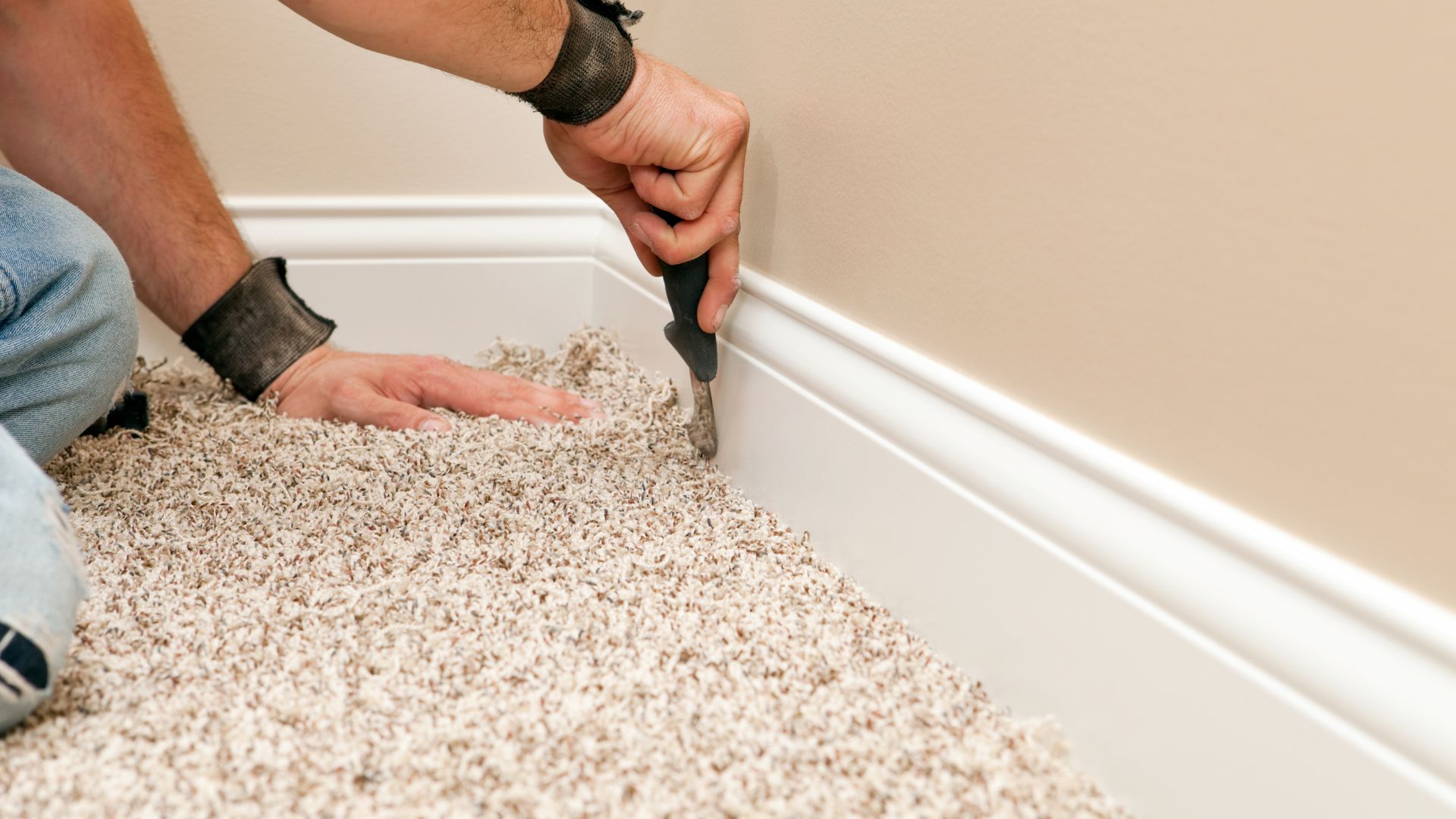
Most American homes in New England rely on carpet for warmth and style, yet more than 40 percent of homeowners underestimate its impact on comfort and indoor air quality. Whether updating a living room or tackling seasonal cleaning, the right carpet choices affect everything from energy bills to family health. This guide highlights eco-friendly options while revealing how smart carpet decisions can improve comfort, aesthetics, and sustainability for your entire household.
Table of Contents: Benefits of Carpet for Your Home
Key Takeaways
| Point | Details |
|---|---|
| Carpet Enhances Comfort | Carpets offer thermal insulation, sound absorption, and ergonomic support, contributing to indoor comfort and air quality. |
| Selection of Carpet Type Matters | Choosing the right fiber—nylon, polyester, or wool—can impact durability, comfort, and maintenance needs. |
| Maintenance is Essential | Regular cleaning and proper care are crucial for preserving the carpet’s lifespan and indoor air quality. |
| Consider Long-Term Value | Evaluate not just the initial cost of carpets, but also their durability, maintenance, and potential impact on home value. |
Defining Carpet and Its Role at Home
Carpet represents more than just a floor covering in residential spaces – it is a strategic element that contributes significantly to home comfort, aesthetics, and functionality. Historically crafted from wool, carpets have evolved into sophisticated floor treatments featuring synthetic and blended materials designed to enhance living environments.
At its core, carpet serves multiple essential functions beyond simple ground coverage. Thermal insulation stands out as a primary benefit, with carpets providing critical warmth and energy efficiency in homes. By creating a soft barrier between living spaces and hard subfloors, carpets reduce heat loss and create a more comfortable walking surface. Additionally, carpet materials trap dust and allergens, functioning as a passive air filtration system that can improve indoor air quality when properly maintained.
Modern carpets come in an extraordinary range of textures, materials, and performance characteristics. Synthetic fibers like nylon and polyester now compete with traditional wool, offering improved durability, stain resistance, and affordability. Homeowners can select carpets that match specific needs – from plush bedroom floor coverings to high-traffic hallway solutions that withstand constant use.

Pro tip: Select carpet materials appropriate for your specific living space, considering factors like foot traffic, moisture exposure, and potential allergen sensitivity.
Popular Carpet Types and Their Differences
Carpet fiber selection dramatically influences a room’s performance, comfort, and long-term value. Fiber types range from synthetic to natural materials, each offering unique characteristics that meet different residential needs. Understanding these variations helps homeowners make informed decisions about their flooring investments.
Nylon represents the most prevalent carpet material, prized for its exceptional durability and resilience. It withstands heavy foot traffic and maintains its appearance in high-use areas like hallways and living rooms. Polyester carpets offer vibrant color options and excellent stain resistance, making them ideal for bedrooms and low-traffic spaces. Wool carpets, while more expensive, provide unparalleled natural softness and inherent fire resistance, appealing to homeowners seeking premium floor coverings.
Here’s a comparison of major carpet fiber types and their distinct advantages:
| Fiber Type | Durability | Comfort Level | Key Benefit |
|---|---|---|---|
| Nylon | Highly resilient | Medium-soft | Best for high-traffic |
| Polyester | Moderate | Plush and soft | Excellent stain resistance |
| Wool | Naturally durable | Luxuriously soft | Hypoallergenic, eco-friendly |
| Blends | Varies (mixed) | Varies (mixed) | Balanced performance |
Carpet installation methods also vary significantly, including broadloom carpeting and modular carpet tiles. Broadloom carpets come in large rolls and provide seamless coverage, while carpet tiles offer more flexibility for replacement and customization. Each installation type impacts overall performance, maintenance requirements, and potential future repair strategies. Homeowners should consider factors like room usage, potential moisture exposure, and long-term maintenance when selecting their carpet type.
Pro tip: Always request samples and test carpet materials in your actual home lighting and environment before making a final purchase decision.
How Carpet Improves Everyday Comfort
Indoor comfort goes far beyond temperature, and carpet plays a crucial role in creating a livable, supportive home environment. Carpet provides significant ergonomic benefits, offering a cushioned surface that reduces physical strain during daily activities. The soft underfoot experience helps minimize fatigue for people standing in kitchens, home offices, or other areas where extended standing is common.
Sound absorption represents another key comfort advantage of carpeted spaces. Unlike hard flooring, carpet dramatically reduces noise transmission between rooms and floors, creating a more peaceful and tranquil living environment. This acoustic dampening is particularly valuable in multi-level homes, apartments, and spaces with active families or home offices. The soft fibers effectively trap and minimize sound waves, preventing echoes and reducing overall ambient noise.
Carpet maintenance directly impacts long-term comfort levels, making routine care essential for preserving its supportive qualities. Regular vacuuming, prompt stain removal, and periodic deep cleaning ensure that carpet remains resilient, soft, and aesthetically pleasing. Clean carpets not only look better but also maintain their cushioning properties, supporting residents’ physical comfort and emotional well-being.
Pro tip: Invest in a high-quality vacuum cleaner with adjustable height settings to maintain your carpet’s comfort and appearance most effectively.

Health, Safety, and Indoor Air Quality Benefits
Indoor air quality represents a critical component of home health, with carpets playing a surprisingly complex role in managing environmental contaminants. Carpets can capture airborne particles, effectively preventing dust, allergens, and chemical residues from circulating through living spaces. This trapping mechanism acts like a passive air filtration system, temporarily holding potential respiratory irritants within their fibers until proper cleaning occurs.
However, carpet maintenance becomes crucial in preventing these trapped contaminants from becoming health hazards. Thirdhand smoke chemicals can accumulate in carpet fibers, creating long-term exposure risks if not addressed through regular cleaning. Selecting low-emission carpet materials and implementing consistent cleaning protocols can significantly reduce potential health complications associated with embedded pollutants.
Modern carpet technologies increasingly focus on creating healthier indoor environments. Hypoallergenic fibers, antimicrobial treatments, and advanced manufacturing processes now offer homeowners options that actively contribute to respiratory health. These innovations help mitigate traditional concerns about carpet’s potential to harbor allergens, making carpeted spaces increasingly compatible with individuals managing respiratory sensitivities.
Pro tip: Choose carpet materials with low volatile organic compound (VOC) emissions and establish a consistent cleaning routine to maintain optimal indoor air quality.
Financial Value and Cost Comparisons
Carpet investment involves more than just the initial purchase price, requiring homeowners to consider long-term financial implications. Carpet costs depend on multiple factors, including fiber type, durability, and installation complexity. While synthetic fibers offer more affordable upfront pricing, natural wool carpets provide superior longevity that can offset higher initial expenses.

Beyond purchase price, homeowners must evaluate ongoing maintenance and replacement costs. Carpet recycling and stewardship programs can influence overall financial calculations, potentially reducing long-term environmental and economic impacts. Some advanced carpet materials with enhanced durability might command higher initial prices but deliver significant savings through reduced replacement frequency and lower maintenance requirements.
Comparing carpet investments requires a comprehensive approach that goes beyond simple price-per-square-foot calculations. Factors like energy efficiency, sound absorption, comfort, and potential home value appreciation should be considered alongside direct costs. Higher-quality carpets can provide insulation benefits, potentially reducing heating and cooling expenses, while also contributing to a home’s aesthetic appeal and marketability.
The following table details the total cost of carpet ownership:
| Cost Factor | Short-Term Impact | Long-Term Impact |
|---|---|---|
| Initial Purchase | Upfront investment | Affects resale value |
| Maintenance | Regular cleaning needed | Preserves appearance |
| Replacement Cycle | Low with quality fiber | Higher if low quality |
| Energy Efficiency | Insulation savings | Reduces utility bills |
Pro tip: Calculate total cost of ownership by combining initial purchase price, estimated maintenance expenses, and expected lifespan when comparing different carpet options.
Eco-Friendly Carpeting and Maintenance Tips
Sustainable carpet care begins with thoughtful material selection and strategic maintenance practices. Water management strategies play a crucial role in preserving carpet longevity and minimizing environmental impact. Homeowners can choose carpets made from recycled materials, natural fibers, or sustainably sourced components that reduce overall ecological footprint.
Routine maintenance with eco-friendly techniques helps extend carpet life while supporting indoor air quality. Using HEPA-filtered vacuums, selecting environmentally safe cleaning agents, and implementing regular deep cleaning protocols can significantly reduce carpet degradation. Avoiding harsh chemical treatments and controlling moisture prevents mold growth and supports both environmental and health objectives.
Modern carpet technologies increasingly emphasize sustainability, offering innovative solutions that balance performance with ecological responsibility. Manufacturers now develop carpets using recycled plastics, bio-based materials, and manufacturing processes that minimize water and energy consumption. These advances allow homeowners to make environmentally conscious choices without compromising comfort, durability, or aesthetic appeal. Our carpet cleaning services also keep your carpets fresh and looking new.
Pro tip: Choose carpets with third-party environmental certifications and develop a consistent, gentle maintenance routine to maximize sustainability and carpet longevity.
Enhance Your Home’s Comfort and Health with Expert Carpet Care
Carpet plays a vital role in providing warmth, sound absorption, and improved indoor air quality for your home. However, maintaining that comfort and health depends on effective cleaning to remove trapped dust, allergens, and thirdhand smoke chemicals. If you want to preserve your carpet’s softness and promote a healthier living space, professional cleaning services can make all the difference.
Discover how Nu-England Services help protect your investment while enhancing indoor air quality and comfort. With decades of experience and eco-conscious methods, Nu-England Services delivers thorough carpet cleaning that revitalizes your floors and supports your family’s well-being. Check out our carpet installation and carpet cleaning pages to learn more about our commitment to carpet.

Take the next step to enjoy a cleaner, healthier home environment. Visit Nu-England Services today to request your free quote and learn how our trusted expertise can refresh your carpets and other flooring surfaces. Your comfort and satisfaction matter — act now to keep your home safe, beautiful, and inviting.
Frequently Asked Questions
What are the main benefits of using carpet in homes?
Carpet provides thermal insulation, reduces noise transmission, and enhances overall comfort, making living spaces cozy and supportive.
How do different carpet fibers compare in terms of durability and comfort?
Nylon is highly durable and best for high-traffic areas, while polyester offers soft comfort and stain resistance. Wool provides natural softness and hypoallergenic properties, making it ideal for those with sensitivities.
What maintenance practices are essential for keeping carpets in good condition?
Regular vacuuming, prompt stain removal, and periodic deep cleaning are crucial for maintaining a carpet’s appearance and comfort, while also prolonging its lifespan.
How can carpet impact indoor air quality?
Carpets can trap dust, allergens, and pollutants, acting as a passive air filtration system. However, regular cleaning is necessary to prevent trapped contaminants from becoming health hazards.
