
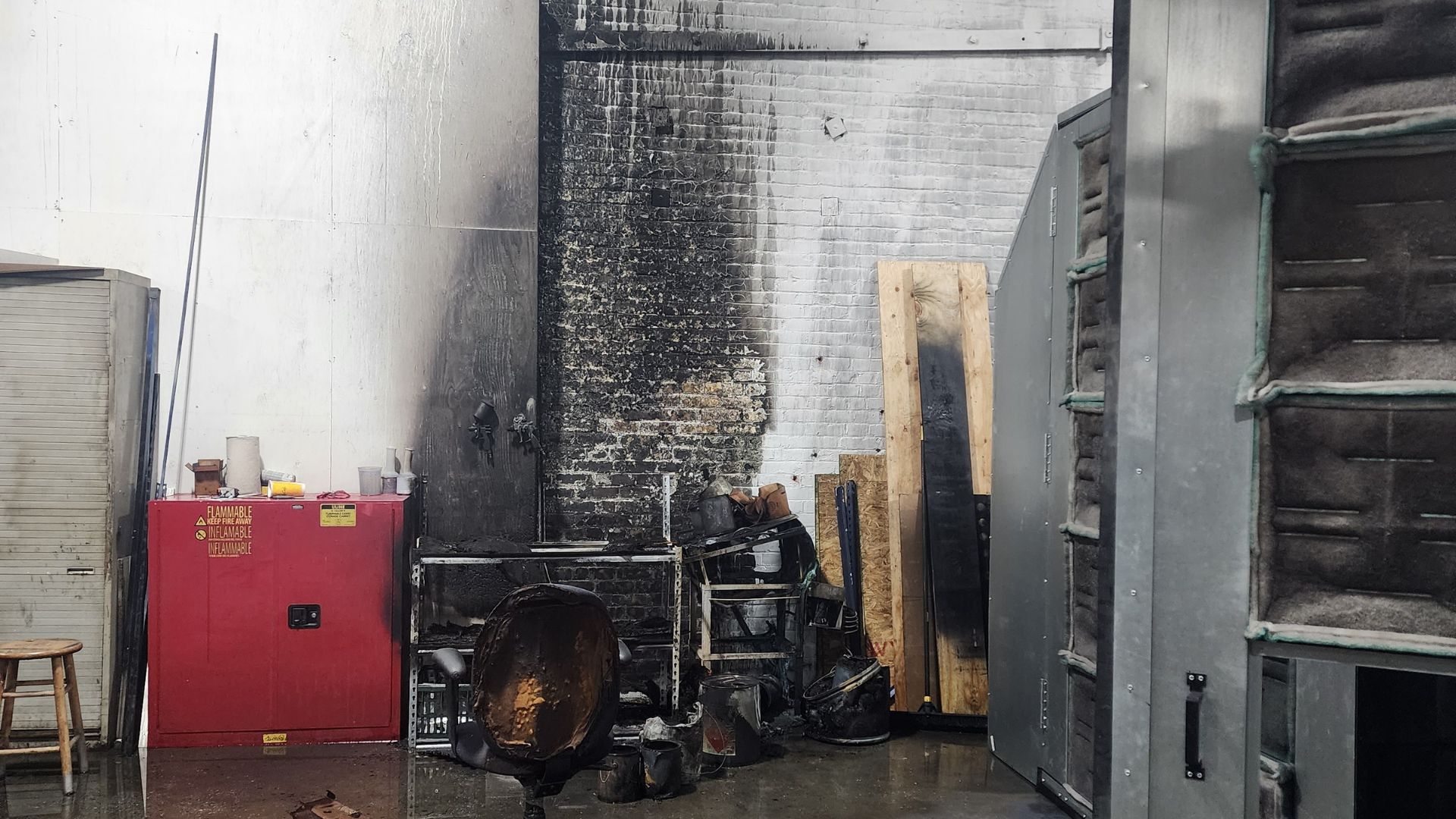
Most American households using candles or smoking indoors face a stubborn problem that often hides in plain sight. Soot and smoke residue can settle deep into walls, ceilings, and fabrics, causing both unsightly stains and hidden health risks. New England homes are especially vulnerable, with older architecture and frequent use of wood stoves adding to the challenge. This guide uncovers practical solutions to protect your home and restore a safer, cleaner living space.
Table of Contents
- What Causes Smoke and Soot Damage
- Types of Residue From Candles and Smoking
- How Smoke and Soot Affect Indoor Spaces
- Professional Smoke and Soot Removal Techniques
- Risks of DIY Cleaning and Hidden Hazards
Key Takeaways
| Point | Details |
|---|---|
| Smoke and Soot Damage Sources | Common sources include wood stoves, cooking, and candles, each contributing to residue that harms indoor air quality and surfaces. |
| Health Risks | Exposure to smoke and soot poses significant health threats, particularly for vulnerable groups such as children and the elderly. |
| Professional Removal | Hiring professionals ensures effective cleanup without further contamination, utilizing specialized equipment and techniques. |
| Dangers of DIY Cleaning | DIY methods can exacerbate contamination and health risks; expert intervention is recommended for thorough remediation. |
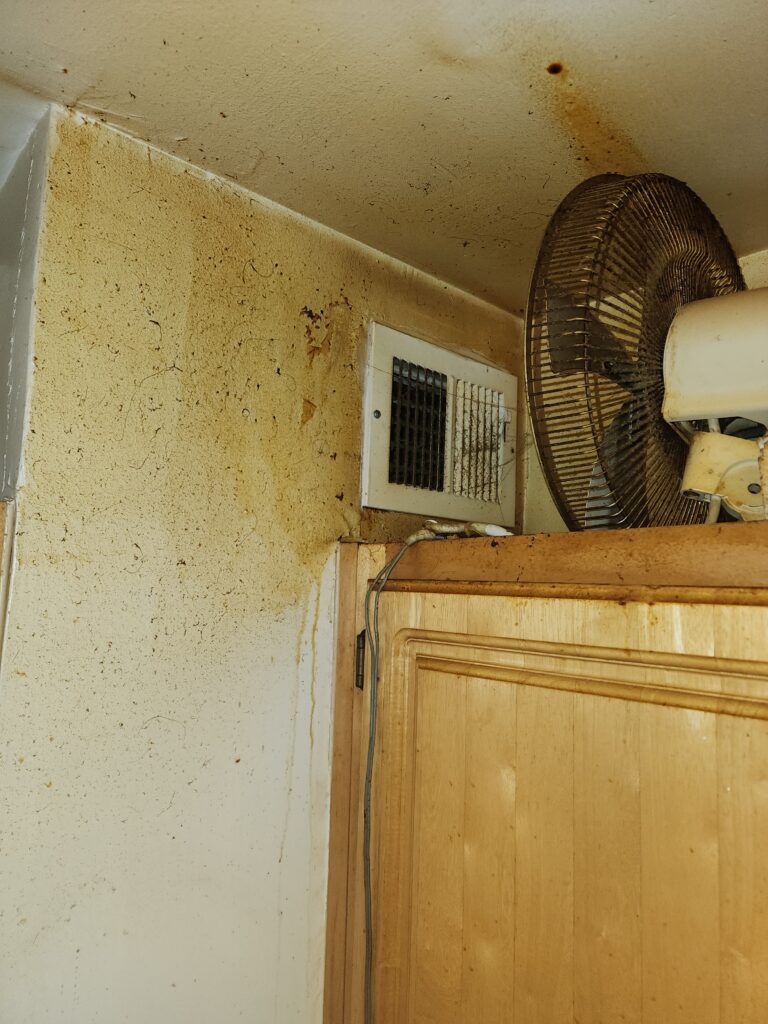
What Causes Smoke and Soot Damage
Smoke and soot damage are complex phenomena resulting from incomplete combustion processes that can devastate homes across New England. When organic and synthetic materials burn without complete oxygen interaction, they release microscopic carbon particles that permeate surfaces, causing significant structural and aesthetic damage. Particulate matter pollution demonstrates how these tiny fragments can originate from multiple sources including indoor fires, cooking accidents, candle burning, and electrical malfunctions.
The chemical composition of soot makes it particularly destructive. During incomplete combustion, hydrocarbon molecules break down rapidly, forming complex layered carbon structures that adhere tenaciously to walls, ceilings, furniture, and fabrics. Soot formation involves intricate physical and chemical reactions occurring under high temperatures, creating microscopic particles capable of penetrating even the smallest surface pores. These particles not only stain and discolor surfaces but can also cause long-term corrosion and degradation of materials.
Common household sources of smoke and soot damage include wood stoves, fireplaces, cooking ranges, scented candles, electrical fires, and malfunctioning heating systems. New England homes, with their historic architecture and traditional heating methods, are particularly susceptible to these issues. The region’s older homes often feature wooden structures and vintage heating systems that can generate significant particulate emissions during operation. Additionally, winter months increase indoor fire usage, further elevating the risk of smoke and soot accumulation.
Here is a quick comparison of common smoke and soot sources and the types of damage they cause:
| Source | Typical Residue Characteristics | Impact on Home Surfaces | Notable Health Risks |
|---|---|---|---|
| Wood Stoves/Fireplaces | Dense, carbon-rich deposits | Black stains on mantels, walls | Respiratory irritation |
| Cooking Accidents | Greasy, sticky film | Stains on kitchens, ceilings | Headaches, breathing issues |
| Candles | Loosely attached powdery soot | Discoloration on ceilings, decor | Allergic reactions |
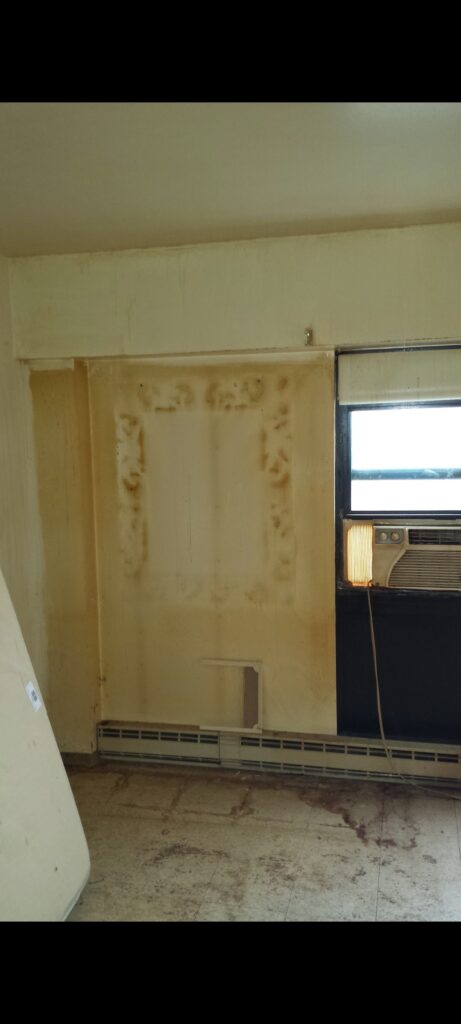
| Tobacco Smoke | Thin, persistent greasy layers | Odors, yellowish stains | Increased cancer risk |
| Electrical Fires | Fine, toxic particulate matter | Corrosive damage to electronics | Toxic metal exposure |

Pro Tip: Invest in high-quality air purifiers with HEPA and activated carbon filters to capture and neutralize soot particles before they settle on household surfaces, reducing potential long-term damage.
Types of Residue From Candles and Smoking
Soot residue from candles and smoking represents a complex and potentially hazardous mixture of particulate matter that can significantly impact home environments. Candle combustion produces intricate carbon-based particles that vary dramatically based on the type of wax, wick material, and burning conditions. Paraffin candles, commonly used in New England homes, tend to generate more substantial soot deposits compared to beeswax or soy alternatives, creating dense black residues that adhere tenaciously to walls, ceilings, and household surfaces.
The chemical composition of smoking and candle residues is particularly concerning. Soot contains a complex mixture of carbon-based particulate matter including black carbon, polycyclic aromatic hydrocarbons (PAHs), and trace heavy metals. Tobacco smoke produces especially problematic residues, with microscopic particles containing nicotine, tar, and dozens of carcinogenic compounds that penetrate porous surfaces like fabric, wallpaper, and wooden structures. These residues not only discolor surfaces but can also cause long-term corrosive damage and potential health risks for household inhabitants.
Different combustion sources generate unique residue characteristics. Cigarette smoke produces thin, greasy layers that stick aggressively to surfaces, while candle soot tends to be powdery and more loosely attached. Wood stoves and fireplaces create dense, carbon-rich deposits that can quickly accumulate on mantels, walls, and surrounding areas. Electronic cigarettes and vaping devices introduce another category of residue, often leaving behind sticky, sweet-smelling film that can be challenging to remove from interior surfaces.
Pro Tip: Rotate your candles periodically and trim wicks to 1/4 inch before each use to minimize uneven burning and reduce soot production in your living spaces.
How Smoke and Soot Affect Indoor Spaces
Indoor air quality is dramatically impacted by smoke and soot, transforming living spaces into potential health hazards. Smoke and soot particles degrade air quality by depositing fine carbon residues on walls, ceilings, and surfaces throughout New England homes. These microscopic contaminants not only create visible stains but also penetrate deep into building materials, causing long-term structural and aesthetic damage that can be challenging and expensive to remediate.
The health implications of indoor smoke and soot exposure are particularly concerning for New England residents. Air pollution from indoor sources like tobacco smoke and burning candles introduces toxic compounds that can penetrate lung tissue and potentially enter the bloodstream. Families with children, elderly members, or individuals with respiratory conditions are especially vulnerable to these microscopic threats. The particulate matter can trigger asthma attacks, exacerbate cardiovascular issues, and potentially contribute to more serious long-term health complications.
Different indoor environments experience unique challenges with smoke and soot accumulation. Older homes with wood-burning fireplaces, vintage heating systems, and less efficient ventilation are particularly susceptible to rapid residue buildup. Kitchens with frequent cooking, areas with candle usage, and spaces where smoking occurs can develop thick layers of greasy, discolored film that not only looks unsightly but also creates persistent odors. The porous nature of materials like drywall, wooden surfaces, and fabrics makes complete removal of these residues exceptionally difficult without professional intervention.
Pro Tip: Install high-efficiency particulate air (HEPA) filters in your home’s ventilation system and use them in conjunction with regular professional cleaning to minimize smoke and soot particle accumulation.
Professional Smoke and Soot Removal Techniques
Professional restoration services employ sophisticated techniques to address smoke and soot damage comprehensively. Specialized cleaning methods like HEPA vacuuming, chemical treatments, and thermal fogging are designed to eliminate fine particulate residues safely and thoroughly. These advanced approaches require extensive training and specialized equipment to ensure complete contamination removal without spreading harmful particles throughout the home.
The restoration process begins with a comprehensive damage assessment that determines the extent of smoke and soot penetration. Experts utilize multi-step remediation protocols that include source identification, targeted cleaning strategies, and advanced air purification techniques. Professional technicians meticulously clean HVAC systems, structural components, and personal belongings, using industrial-grade cleaning agents that neutralize odors and remove deeply embedded residues. This systematic approach is crucial for preventing long-term damage and potential health risks associated with smoke and soot contamination.
Different materials require unique restoration approaches. Porous surfaces like drywall and fabrics demand specialized chemical treatments, while hard surfaces might require mechanical cleaning or thermal fogging techniques. Professionals use advanced diagnostic tools to measure particle concentration and determine the most effective cleaning method. In New England homes with historic structures and sensitive materials, these precision techniques are essential for preserving architectural integrity while completely removing smoke and soot residues.
Pro Tip: Always request a detailed damage assessment and written restoration plan from professional services to understand the full scope of smoke and soot remediation required for your specific situation.
Risks of DIY Cleaning and Hidden Hazards
Attempting to clean smoke and soot damage without professional expertise can create more problems than solutions. DIY cleaning methods often spread fine particulate matter, dramatically increasing indoor air pollution risks and exposing inhabitants to dangerous toxins. Homeowners lacking specialized protective equipment and technical knowledge can inadvertently distribute harmful soot particles across surfaces, creating long-lasting contamination that penetrates deep into building materials.
Toxic particle exposure represents a significant hidden danger in smoke damage cleanup. Soot contains complex chemical compounds including polycyclic aromatic hydrocarbons (PAHs), heavy metals, and microscopic carbon fragments that pose serious health risks. Inadequate cleaning techniques can worsen indoor contamination and create persistent air quality hazards that may trigger respiratory issues, skin irritations, and potential long-term health complications. Professional-grade respirators, industrial cleaning agents, and precise removal techniques are essential for safely managing these hazardous residues.
New England homes present unique challenges for DIY smoke damage restoration. Historic structures with porous wooden surfaces, intricate architectural details, and older ventilation systems require specialized treatment. Improper cleaning can permanently damage delicate surfaces, spread contaminants through HVAC systems, and create hidden pockets of residue that continue to release toxic particles. Without advanced moisture meters, particulate detection equipment, and comprehensive cleaning protocols, homeowners risk incomplete remediation that can lead to ongoing health and structural problems.
Below is a summary of professional and DIY approaches for smoke and soot cleanup:
| Approach | Key Tools Used | Effectiveness | Potential Risks |
|---|---|---|---|
| Professional Cleaning | HEPA vacuums, industrial agents | Thorough, safe removal | Costly but reliable |
| DIY Cleaning | Household cleaners, basic masks | Incomplete, spreads residue | Health hazards, hidden damage |
Pro Tip: Invest in a professional assessment before attempting any smoke and soot cleanup, as the potential costs of improper cleaning far outweigh the expense of expert restoration services.
Protect Your Home from Smoke and Soot Damage with Expert Cleaning and Restoration
Smoke and soot can cause lasting damage to your home’s surfaces and indoor air quality. These stubborn residues often require specialized treatment beyond typical cleaning to prevent health risks and structural deterioration. If you are facing discoloration, lingering odors, or compromised indoor air due to smoke or soot, professional services can provide thorough removal and safe restoration.
Trust Nu-England Services to tackle these challenges efficiently. Our experienced team uses advanced cleaning techniques, including deep carpet cleaning to remove embedded soot from fabrics and rugs, and comprehensive restoration methods to protect your home’s interior. We understand how critical it is to act quickly and precisely to prevent permanent damage.

Don’t wait for soot stains and smoke odors to worsen. Visit Nu-England Services now to request a free quote and safeguard your home with our trusted expertise. Browse our vinyl flooring options if smoke damage affects your floors or explore mold remediation services that may become necessary in damp, compromised areas. Take proactive steps today for a cleaner, healthier living environment.
Frequently Asked Questions
What causes smoke and soot damage in homes?
Smoke and soot damage typically occurs due to incomplete combustion of organic and synthetic materials, leading to the release of microscopic carbon particles that adhere to surfaces and degrade materials.
What are common sources of smoke and soot in a household?
Common sources include wood stoves, fireplaces, cooking ranges, scented candles, and electrical fires, which can generate significant particulate emissions, especially in older homes.
How can I minimize smoke and soot damage in my home?
To minimize damage, consider using high-quality air purifiers with HEPA and activated carbon filters, regularly maintain heating systems, and practice safe candle and cooking habits to reduce soot production.
Why is professional cleaning recommended for smoke and soot remediation?
Professional cleaning is essential because experts use specialized techniques and equipment to ensure thorough removal of harmful particles, preventing long-term health risks and further damage to the home.
